
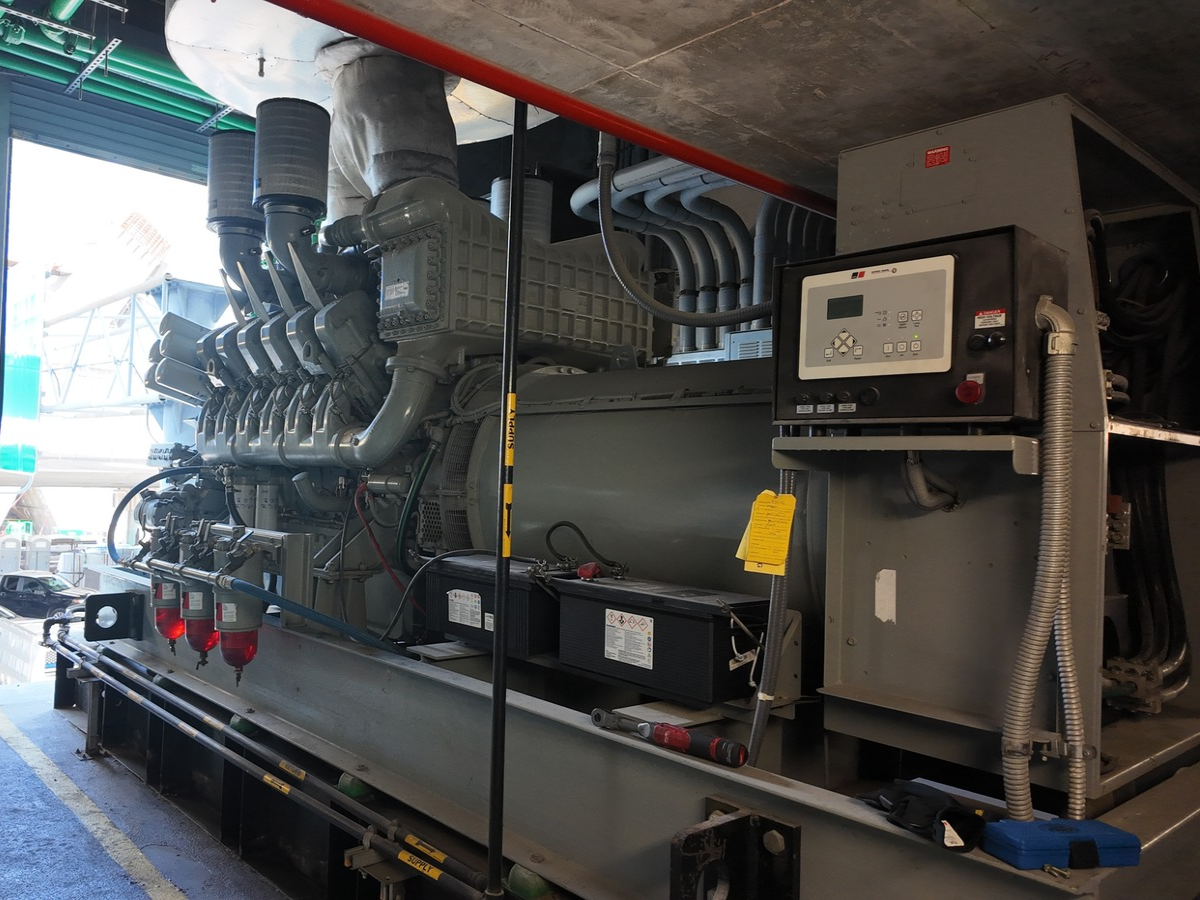
Your Generator Works. Will the Rest of Your Power System?
Backup power system reliability involves more than having a generator that starts during an outage. A generator can pass its routine testing and still encounter challenges when supplying electricity to an entire facility.
For data centers, hospitals, and other facilities that depend on continuous power, the bigger question is: Will every part of the electrical system work together when utility power is lost?
Why Backup Power System Reliability Goes Beyond the Generator
A standby generator is only one component of an emergency power system. Depending on the facility, several pieces of equipment must work together to maintain operations.
- Standby generators: Supply electricity during utility outages.
- Automatic Transfer Switches (ATS): Transfer electrical loads between utility and generator power.
- Uninterruptible Power Supply (UPS) systems: Temporarily support sensitive equipment during power interruptions.
- Electrical distribution systems: Deliver electricity throughout the facility.
Even when a generator is operating correctly, problems with another component can affect the facility’s ability to maintain power.
How Load Bank Testing Supports Backup Power System Reliability
Load bank testing is an important part of generator maintenance. It applies a controlled electrical load to evaluate how a generator performs under demand.
During testing, technicians can assess voltage and frequency stability, engine temperature, cooling performance, and the generator’s ability to support the applied load.
However, passing a conventional resistive load bank test doesn’t necessarily mean the generator has been evaluated under every condition it may encounter during an actual outage.
Data centers, for example, contain servers, UPS systems, and cooling equipment that can create changing electrical demands. These conditions may affect generator performance differently than a steady, controlled load.
This doesn’t make load bank testing less important. It highlights why evaluating the generator and understanding the complete electrical system are both valuable.
Backup Power System Reliability During an Outage
Imagine a data center experiencing an unexpected utility outage. Its generator has been maintained and recently passed its load bank test.
Here’s what typically needs to happen:
- Utility power is interrupted. The UPS temporarily supports connected critical equipment.
- The generator starts. It reaches the voltage and frequency conditions required to accept the load.
- Power transfers. Transfer equipment switches designated electrical loads to generator power.
- Equipment continues operating. Servers, cooling systems, and other connected equipment must function using the backup supply.
During this process, sudden changes in electrical demand, voltage fluctuations, or equipment compatibility issues can create complications.
A generator may be functioning properly while another part of the electrical system struggles to respond. This is why backup power system reliability requires looking at the complete sequence, not just whether the generator starts.
Four Factors That Affect Backup Power System Reliability
1. Changing Electrical Loads
When multiple pieces of equipment start or reconnect, electrical demand can increase suddenly. Evaluating how the generator responds to these changes can help identify potential performance concerns.
2. UPS and Generator Compatibility
UPS systems protect sensitive equipment, but their operating modes and settings can influence how they interact with generator power. Proper coordination helps support smoother transitions.
3. Automatic Transfer Switch Performance
A properly functioning generator cannot supply the intended building loads if transfer equipment fails. Regular ATS inspections and appropriate functional testing help identify potential issues.
4. Equipment Condition and Power Quality
Fuel contamination, weak batteries, cooling problems, and deteriorating electrical components can affect generator reliability. In facilities with substantial electronic equipment, electrical disturbances such as harmonics may also require evaluation.
What Should Facility Managers Be Asking?
Understanding backup power system reliability doesn’t require knowing every technical detail. Facility managers can start by asking a few practical questions:
- When was our generator last tested under load?
- Are our automatic transfer switches regularly inspected?
- Is our generator’s fuel system being maintained?
- Have we evaluated how our backup power equipment operates together?
- Are we addressing maintenance concerns before they become failures?
These questions can help identify opportunities for additional maintenance, testing, or professional evaluation.
Why Backup Power System Reliability Requires More Than Testing
A successful generator test provides valuable information about equipment performance, but it represents only part of the overall picture.
Preventive maintenance, load bank testing, fuel system care, and ATS inspections all contribute to backup power system reliability. Facilities with more complex electrical requirements may also benefit from additional system-level evaluations.
The goal isn’t simply to have a generator that works. It’s to understand how the entire backup power system will respond when the facility depends on it.
