
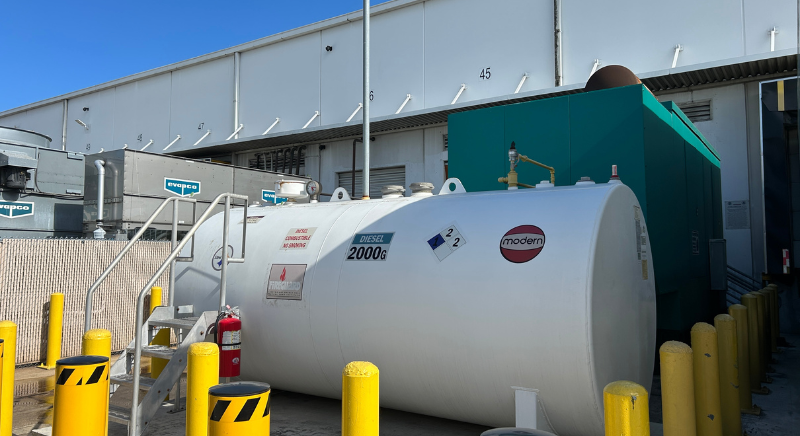
Diesel Fuel Testing: Why Generator Readiness Starts in the Tank
Diesel fuel testing is an important part of maintaining reliable emergency power systems. While standby generators are regularly inspected and exercised, the condition of the fuel they rely on can sometimes go overlooked.
A generator may start successfully during a routine inspection, but does that guarantee it will perform during an extended power outage? Not necessarily.
Diesel fuel can deteriorate during storage, allowing water, sediment, and microbial contamination to develop. These conditions can affect generator performance, particularly when equipment must operate for extended periods.
An August 2026 article from Chem-Tech Laboratories highlights an important consideration: a successful generator exercise does not always confirm that the facility’s entire fuel supply is in good condition.
Why a Successful Generator Test May Not Tell the Whole Story
During routine testing, a generator may operate using fuel from a smaller day tank, which supplies diesel directly to the engine.
However, many facilities also maintain a larger bulk storage tank that provides additional fuel for extended operation.
Here’s where problems can arise.
A generator may run successfully for a short period using clean fuel from its day tank, while the bulk tank contains water, sediment, or other contaminants that have not yet reached the engine.
During a prolonged outage, as additional fuel is transferred from the bulk tank, those contaminants may begin affecting performance.
This creates an important distinction:
- Immediate Readiness: Can the generator start and operate using the fuel currently available?
- Long-Term Endurance: Can the generator continue operating reliably as it draws from the facility’s larger fuel supply?
Both matter when evaluating emergency power preparedness.
What Can Happen to Stored Diesel Fuel?
Unlike generators that operate daily, standby systems may use relatively little fuel throughout the year. This means diesel can remain in storage for extended periods.
Over time, several issues can develop:
- Water Contamination: Moisture can accumulate in fuel tanks, contributing to corrosion and creating conditions that support microbial growth.
- Microbial Growth: Bacteria and fungi can develop where water and fuel are present, producing material that may clog filters.
- Sediment and Debris: Rust, dirt, and other particles can accumulate in storage tanks and interfere with fuel delivery.
- Fuel Oxidation: Chemical changes during storage can contribute to deposits and reduced fuel quality.
These conditions may lead to clogged fuel filters, restricted fuel flow, combustion problems, or unexpected generator shutdowns.
For hospitals, high-rise buildings, data centers, and other facilities that depend on standby power, these risks deserve attention before an emergency occurs.
Why Diesel Fuel Testing Matters for Standby Generators
Diesel fuel testing helps identify potential contamination and fuel-quality concerns before they affect generator operation.
One important consideration is where the fuel sample is collected.
Testing fuel from a day tank alone may not accurately represent conditions in the larger bulk storage tank.
Depending on the facility’s configuration, fuel samples may need to be collected from multiple locations, including the bulk tank, tank bottom, day tank, and engine supply.
These results can help maintenance teams determine whether additional action is needed.
For example, contaminated fuel may require filtration, fuel polishing, water removal, or tank cleaning.
Fuel polishing is a process that circulates diesel through specialized filtration and separation equipment to help remove water and suspended contaminants.
However, fuel polishing is not a substitute for all fuel-quality testing or tank maintenance. The appropriate corrective action depends on the type and extent of contamination.
By combining diesel fuel testing with preventive maintenance and generator performance evaluations, facilities can develop a more complete understanding of their emergency power readiness.
Diesel Fuel Testing and Preventive Maintenance: What Facility Managers Should Know
Maintaining reliable emergency power involves more than checking whether a generator starts.
Facility managers should also understand the condition of their stored fuel, how frequently it is inspected, and whether maintenance records identify recurring contamination issues.
Fuel condition should be considered alongside generator inspections, filter maintenance, load bank testing, and automatic transfer switch operation.
For facilities preparing for hurricane season or extended utility interruptions, scheduling diesel fuel testing and evaluating storage conditions in advance can help identify problems that might otherwise go unnoticed.
A generator is only as dependable as the systems supporting its operation, and that includes the fuel it relies on.
Supporting Reliable Emergency Power
Diesel fuel testing and proper fuel maintenance are important parts of a comprehensive generator maintenance strategy.
At 360° Energy Solutions, we help commercial and industrial facilities maintain their standby power equipment through preventive maintenance, fuel services, load bank testing, troubleshooting, and repairs.
Our fuel services include fuel polishing, fuel delivery, and tank maintenance to help facilities address fuel-related concerns and prepare for emergency power demands.
Don’t wait until an outage to discover a problem with your generator’s fuel supply. Contact 360° Energy Solutions to learn more about our fuel and generator maintenance services.
