
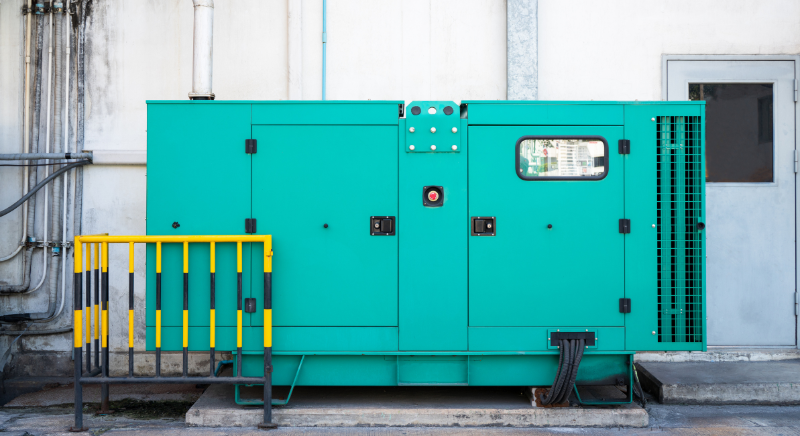
Generator Failure: The Building Had a Generator. It Still Lost Power.
Generator failure can happen even when a building appears to have backup power in place. For many facility managers, property owners, and business operators, that is the part that feels the most frustrating: the generator was there, the system existed, and everyone assumed the building was protected.
Then the lights went out.
A backup generator is an important part of an emergency power plan, but it is not a guarantee by itself. Reliable backup power depends on regular inspections, preventative maintenance, load testing, fuel quality, transfer switch performance, and the overall condition of the system.
In many cases, a building does not lose power because it lacks equipment. It loses power because that equipment was not ready when it was needed most.
Generator Failure Is Often Preventable
When utility power fails, a backup generator has one job: start, accept the load, and keep critical systems running. But that process depends on several components working together at the right time.
If one part of the system fails, the entire building can be affected.
That is why generator failure is rarely just one problem. It can be the result of skipped maintenance, weak batteries, fuel issues, transfer switch problems, or testing that did not accurately reflect real operating conditions.
The good news is that many of these issues can be identified before an emergency through proper preventative maintenance.
The Generator Did Not Start
One of the most common causes of generator failure is simple: the generator never starts.
This can happen for several reasons. Starting batteries may be weak or dead. Connections may be corroded. Filters may be clogged. Coolant levels may be low. Warning signs may have been present for weeks or months, but without routine inspections, they can go unnoticed.
A generator that sits unused for long periods still needs attention. Like any mechanical system, it requires regular service to stay reliable.
Preventative maintenance helps catch these problems before they turn into an emergency.
Generator Failure and Transfer Switch Problems
Sometimes the generator starts correctly, but the building still loses power.
This can happen when the automatic transfer switch does not perform as expected. The transfer switch is responsible for shifting the electrical load from utility power to generator power. If it fails, the generator may be running, but the building may not receive the power it needs.
For many building owners, this is one of the most overlooked parts of the backup power system.
Testing the generator alone is not enough. The transfer switch must also be inspected and tested to make sure the entire system works together.
Fuel Problems Can Cause Generator Failure
Fuel quality is another common reason backup power systems fail.
Diesel fuel can degrade over time. Water can enter the tank. Contamination can clog filters and prevent the generator from running properly. During an emergency, these issues can quickly become serious.
A full fuel tank is important, but fuel quality matters just as much.
Routine fuel inspections, filter checks, and maintenance help ensure the generator has the clean fuel it needs to operate under demand.
The Generator Was Never Tested Under Real Load
A generator may start during a routine test and still fail when asked to support the building’s actual electrical load.
That is why load bank testing is so important.
Load bank testing places a controlled electrical load on the generator to confirm that it can perform under real operating conditions. This helps identify issues that may not appear during a simple startup test.
Without proper testing, a facility may not know its generator has a problem until utility power is already gone.
Backup Power Is a System, Not Just a Generator
The biggest mistake many facilities make is thinking of backup power as one piece of equipment.
In reality, reliable emergency power depends on the full system. That includes the generator, batteries, fuel system, transfer switch, controls, wiring, maintenance records, and testing schedule.
If one part is neglected, the entire system becomes less reliable.
Having a generator is only the beginning. Keeping that generator ready is what protects the building.
Preventative Maintenance Reduces Generator Failure Risk
Preventative maintenance is not just about fixing problems. It is about finding small issues before they become major failures.
A strong maintenance plan may include:
- Routine generator inspections
- Battery testing and replacement when needed
- Fluid level checks
- Fuel system inspections
- Filter replacements
- Automatic transfer switch testing
- Load bank testing
- Review of alarms, controls, and maintenance records
These steps help give facility teams confidence that their backup power system is ready before an emergency occurs.
The Real Lesson
The building had a generator. It still lost power.
That situation is frustrating, but it is also preventable in many cases.
Generator failure often comes down to maintenance, testing, and system readiness. A backup generator cannot be treated as a set-it-and-forget-it solution. It must be inspected, serviced, and tested regularly to perform when the building depends on it.
At 360° Energy Solutions, we help businesses, commercial properties, and critical facilities reduce the risk of generator failure through preventative maintenance, load bank testing, compliance testing, temporary power solutions, and emergency response support.
The question is not just whether your building has a generator.
The question is whether it is ready to work when you need it most.
